


If you are planning an Akan traditional wedding in Ghana, one of the first things you will face is the list. Every family has one. Every family presents it differently. And every groom’s family has at least one moment of shock when they see it for the first time.
At Weddings on Budget, we have sat in enough of these rooms to know that most of the stress around the traditional marriage list comes from one thing, nobody explained it properly beforehand. So consider this your guide. Save it. Share it with your family. Come prepared.
The Proposed Akan Traditional Wedding List — WOB Edition
The Akan traditional marriage list is a set of items and cash gifts that the groom’s family presents to the bride’s family during the traditional marriage ceremony also known as the knocking or engagement. It is not a bill. It is not a transaction. It is a formal expression of honour and respect from one family to another. That said, you still need to come correct. Here is a breakdown of what is typically expected:
This is the most important item on the entire list and the one that opens the door to every other conversation.
- TIRI NSA (Head Drink) — GH₵1,000 (amount depends on the family)
- Two (2) bottles of Schnapps
The Schnapps is non-negotiable in virtually every Akan family. It is used to pour libation and formally seal the agreement between both families. Do not arrive without it.
The cash amount for Tiri Nsa varies widely depending on the family, the region, and the level of negotiation that has happened beforehand. Always send a representative ahead of time to discuss this privately, never let it be a surprise on the day.
These are the items presented directly to the bride herself:
- Ring and Bible.
- One (1) Suitcase — packed with clothing, shoes, underwear and personal items. Yes, the family will open it and check.
- Six (6) pieces of cloth — Holland or GTP fabric.
- Four (4) pairs of ladies shoes.
- Two (2) pairs of Native Sandals (Ahenema).
- GH₵2,000 as capital (DWATIRE) — also called “seed money” for the bride.
The suitcase is one of the most commonly forgotten or underprepared items. Pack it properly. Quality over quantity, a well-packed suitcase with thoughtful items speaks volumes about how seriously the groom’s family is taking this.
- Full piece of cloth — Holland or GTP.
- Headgear (Duku).
- Slippers.
- Cash Gift: GH₵1,000 (amount varies by family).
The mother of the bride holds enormous influence in Akan culture. Honour her well. The cloth and headgear should be of good quality, this is not the place to cut corners.
- Full piece of cloth — Kente or GTP.
- Ahenema Sandals.
- Cash Gift: GH₵1,000 (amount varies by family).
- One (1) bottle of Whiskey.
The father’s items are fewer but they carry great weight. The kente cloth and Ahenema sandals are symbols of respect for his position as head of the family. Present them with intention.
Beyond the schnapps and whiskey, the groom’s family is typically expected to provide refreshments for the occasion:
- GH₵1,000 for the Engagement ceremony.
- GH₵500 to the brother-in-law (AKONTASEKAN).
- GH₵500 Badwafo (THANKSGIVING).
- Four (4) crates of Soft Drinks.
- Two (2) crates of Beer.
- Assorted Drinks for general refreshment.
The drinks serve a practical purpose, guests need to be entertained but they also signal that the groom’s family came prepared to celebrate, not just to negotiate.
Before you start calculating totals and panicking, here is what you need to know:
Every family is different. This list is a guide, not a universal standard. Some families will ask for more. Some will ask for less. Some will waive certain items entirely for a man they respect. What matters more than the items themselves is the spirit in which you present them.
Negotiate respectfully and early. The time to negotiate is not on the day of the ceremony. Send a trusted elder or representative weeks in advance to have a private conversation with the bride’s family. What is agreed privately is what you present publicly. Surprises on the day = wahala.
Quality over quantity. A well-chosen kente cloth beats five cheap fabrics. Proper Ahenema sandals matter more than generic slippers. The bride’s family is paying attention to the care and quality behind every item, not just the number of items on the table.
Plan EARLY. Sourcing quality kente, Holland cloth, Ahenema sandals and a properly packed suitcase takes time. Couples who try to assemble everything in two weeks always end up stressed, overspending, or arriving underprepared. Start planning at least 6 to 8 weeks before your traditional date.
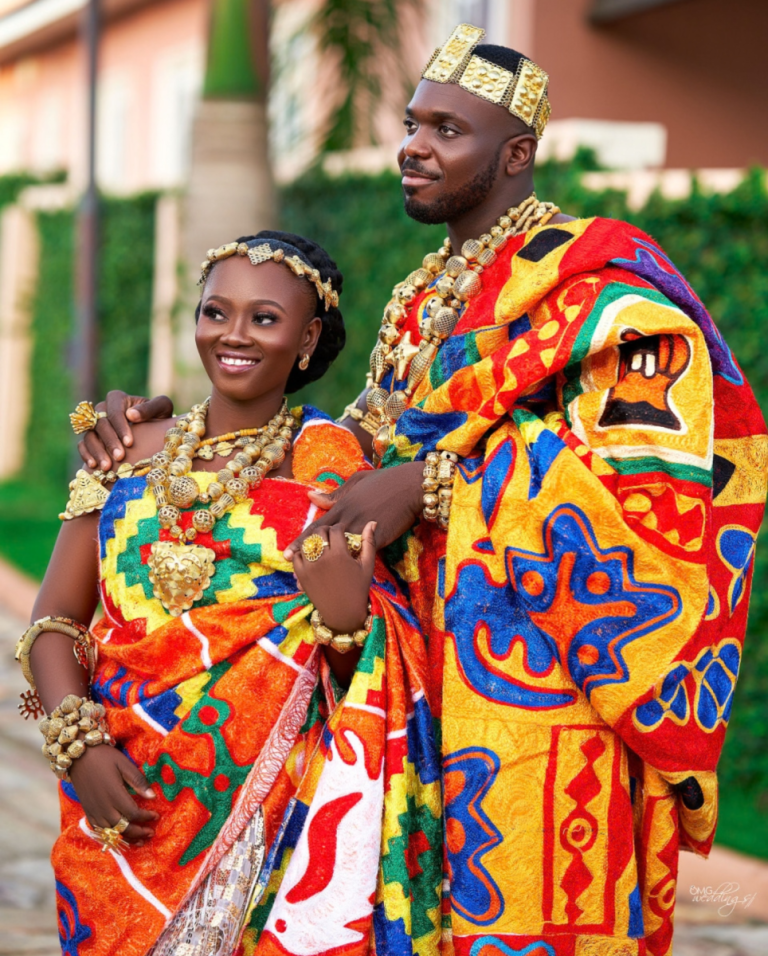
The Akan traditional wedding is one of the most beautiful ceremonies in Ghanaian culture. It is rich in meaning, rooted in respect, and when done well, it is the kind of moment that both families remember for decades.
But it requires preparation. It requires communication. And it requires someone who has done this before to help you navigate the process without the unnecessary stress. That is exactly what we are here for.
Planning your Akan traditional wedding in Ghana? Let WOB guide you through every step, from the list to the last dance.
